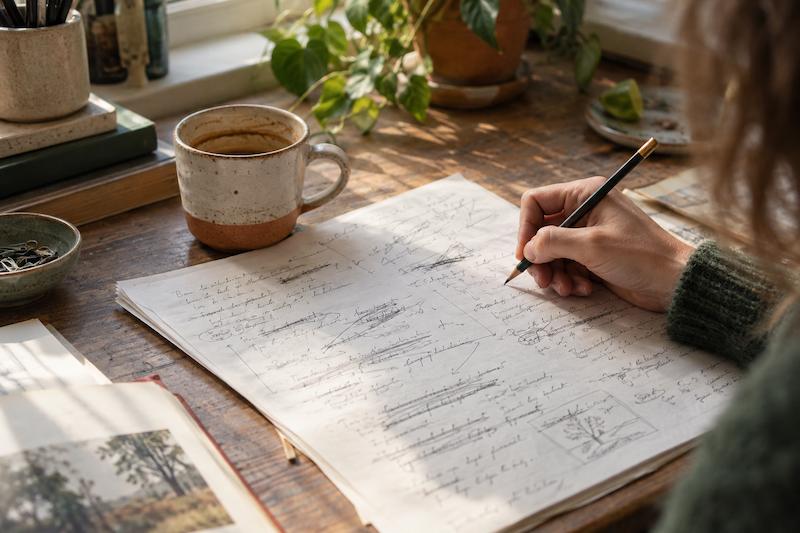
Many of us treat rest as something we earn once everything else is done. The trouble is that everything is never done. The list refills, the inbox returns, and rest keeps slipping to the end of a queue that does not end.
A more useful view is that rest is part of how good work, clear thinking and patient relationships happen. It is maintenance, not a prize.
Rest is not just sleep
Sleep matters, and it is the foundation. But being rested usually takes more than a night in bed. Think of rest as a range of small recoveries:
- Pauses. A few minutes between tasks, away from screens.
- Quiet time. Time without input: no podcast, no scrolling.
- Play and curiosity. Doing something purely because you enjoy it.
- Company. Time with people who ask nothing of you.
- Time outdoors. Even a short walk can change how the day feels.
Notice what rest looks like for you
For some people, rest is silence. For others, it is cooking, football or a long phone call with a friend. Pay attention to what actually leaves you feeling better afterwards, which is not always what feels easiest in the moment. Hours on a phone can feel like resting and still leave you flat.
Build it into the week
Rest that depends on spare time rarely happens. A few practical ways to make space:
- Schedule it. Put a recovery slot in the calendar, even if it is only twenty minutes, and treat it like an appointment.
- Protect one evening. Choose a night with no commitments, and tell people you are unavailable.
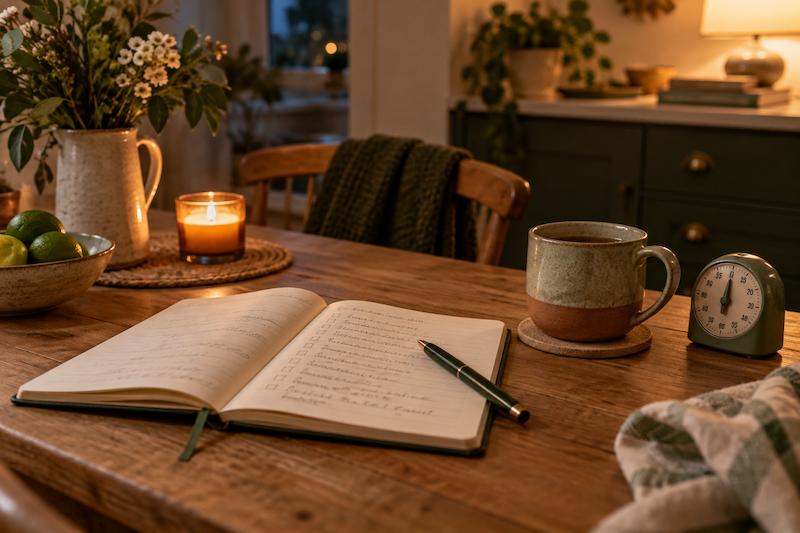
- Create an end-of-day shutdown. Write tomorrow's top three tasks, close the laptop, and say "that's it for today." The ritual helps your mind stop working.
- Take your breaks. Leave your desk at lunch if you can, and take your annual leave.
Rest is what makes the next hour of effort worth something.
When rest is not enough
If you are regularly exhausted even when you have rested, find it hard to sleep, or feel low, anxious or numb for weeks, it is worth talking to your GP. Persistent tiredness can have physical and psychological causes, and help is available.